Canberra Drivers – Myth or Method
As the numbers of vehicles and drivers increase, and the national road toll rises, safe driving becomes crucial to meeting Vision Zero.
The author frequently sees Canberra drivers who show little courtesy of the road, fail to perform basic driving tasks, and/or do not follow the road rules.
Some drivers seem unaware of the purpose of indicators, often failing to indicate when turning, changing lanes, or moving off kerbs.
Issues of safe and courteous driving also occur in parking zones or undercover parking: drivers drive too fast. Another problem is that some vehicles do not slow down when merging right. Some drivers see lane merging as a race to the top where one lane closes to beat the other vehicles. Drivers need to work together to allow all vehicles to enter the continuing lane safely and smoothly.
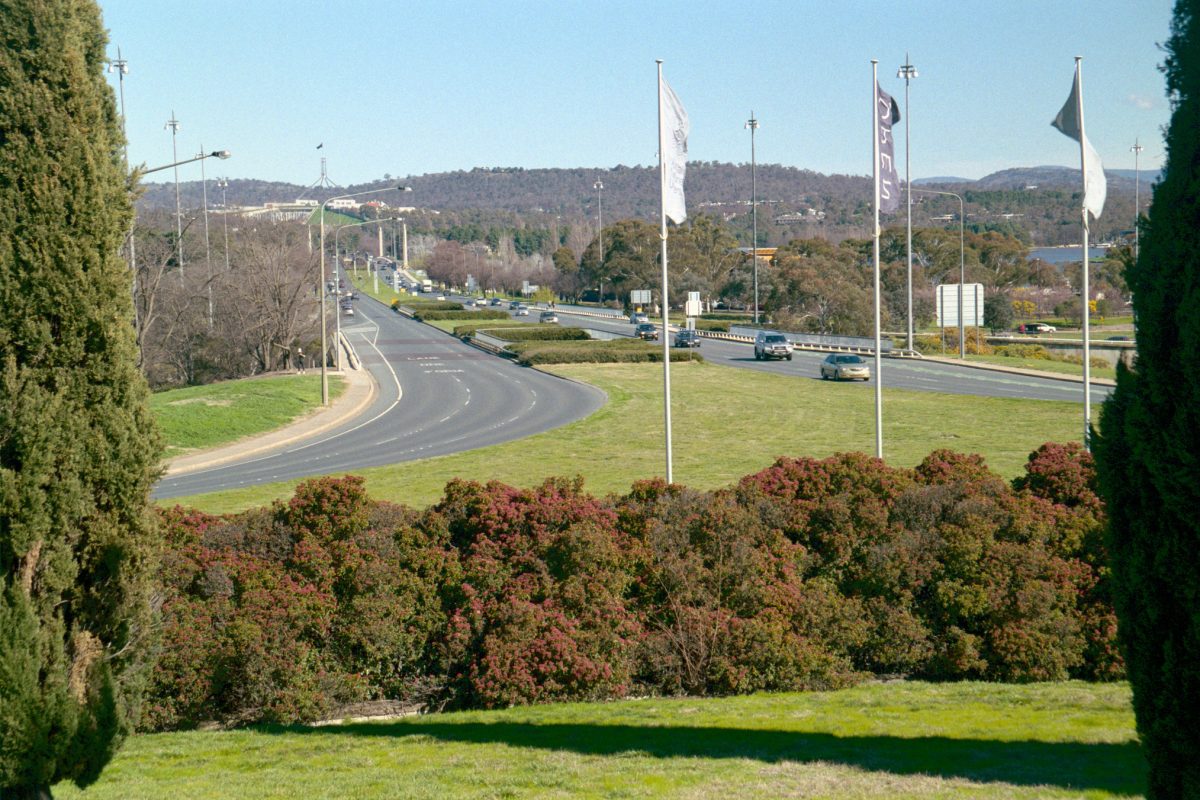
Tailgating is another genuine problem, as it can cause bumper-to-bumper accidents. When the road is wet, some drivers think it is mandatory to tailgate. The opposite is true – they should slow down and leave more space than usual. On a more accident-prone section of Tuggeranong Parkway, for instance, chevrons are painted on the road and there is a sign telling drivers to remain at least two chevrons apart. How many drivers do that? Very few.
Speed is a significant factor in the road toll. Some drivers drive 5–10 kilometres per hour above the speed limit regardless of conditions, and the fact that one should drive below the speed limit (and not on it). On the other side of the coin, some drive 20 or more kilometres per hour below the speed limit on 100 kilometres per hour parkways, causing faster moving vehicles to chop and change lanes to get around them, which can cause accidents.
The author also often sees motorcyclists swerving in and out of lanes with cars all round them in both lanes, as if they have a right to all the unoccupied space near cars.
Are these issues caused by (a) lack of skill and knowledge, (b) distraction, (c) impairment by drugs or alcohol, (d) laziness, (e) sheer disrespect for the road rules or other users, or (f) all the above? We do have good standard roads in the ACT and less traffic than the bigger state capital cities, but that does not justify bad driving.
We have a rigorous regime to obtain a licence, but a proportion of drivers got licences under previous less-stringent arrangements. Today. a new driver must do a pre-learner licence course and pass an ACT Road Rules Knowledge Test to get a learner’s permit. They then complete a certain amount of supervised driving and pass a practical driving test to get a provisional licence. They must be on a provisional licence for three years before they get a full licence. L and P platers have a zero-alcohol limit and, if a provisional driver accumulates four or more demerit points, Access Canberra will suspend the licence for three months.
The provisional licence requirements for under 25s are tougher than they are for over 25s. For example, if under 25, a driver needs to log a minimum of one hundred hours of supervised driving including 10 hours of night driving, whereas an over 25 must log a minimum of 50 hours including 5 hours of night driving.
Should this age discriminator for P platers be raised to, say 30 0r 40 years of age? Or should all learners, regardless of age, have to meet the one hundred hours of supervised driving to get a P plate?
Should all drivers have to take a practical driving test every 10 or 20 years to demonstrate driving competence and understanding of the road rules, to stay licenced?
Even if nobody is injured in a road accident, we all pay more comprehensive insurance whenever a claim is made. So, the impact to society of bad driving is everybody pays more, regardless of their own driving record.
The comprehensive insurance system could be reformed to be like someone’s credit rating for a loan, so the rest of us do not pay because of somebody else’s defaulting.